Paul St George
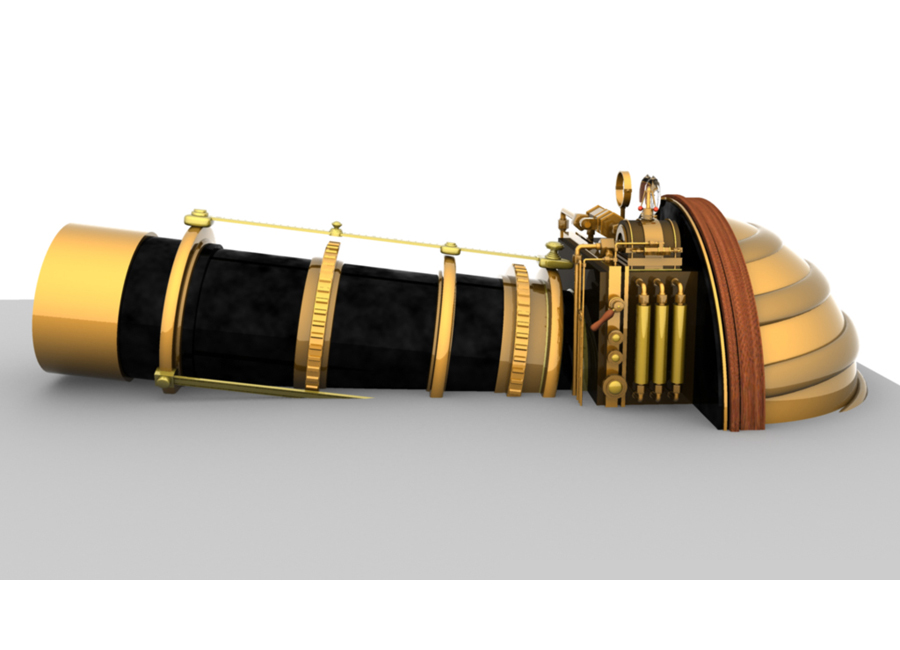
A number of interweaving themes emerge from these selected projects. One is a study of the history of visual culture (Classical Roman and late Victorian). Both eras are well known for their rich successes, but also hide a number of overlooked or incomplete projects. Paul St George has uncovered and is completing a number of these, including the Telectroscope and Travelling curves.
Another persistent theme is the use of photography and chronophotography to picture time. This is developed in the Chronocyclography, Trackorama, Supermoment and Chronopan projects, but also in curating the Sequences exhibition and in editing the imagetime series of books.
The third theme is the exploration of ambiguity. This has produced the highly collectable Minumental sculptures, Carpet Castle and the ultimate, two for the price of one, Rabbitduck.
Telectroscope: 2008
The project is currently under wraps, but you can keep informed at the Telectroscope blog
You can also register for updates here.
Sequences: contemporary chronophotography is an exhibition that I curated. It toured to a number of UK venues.
Chronophotography has been in the shadow of cinema, but now it is emerging once again as artists re–discover its potential for exploring the aesthetics that operate at the intersection of time and space.
The Sequences project is available at http://www.sequences.org.uk/
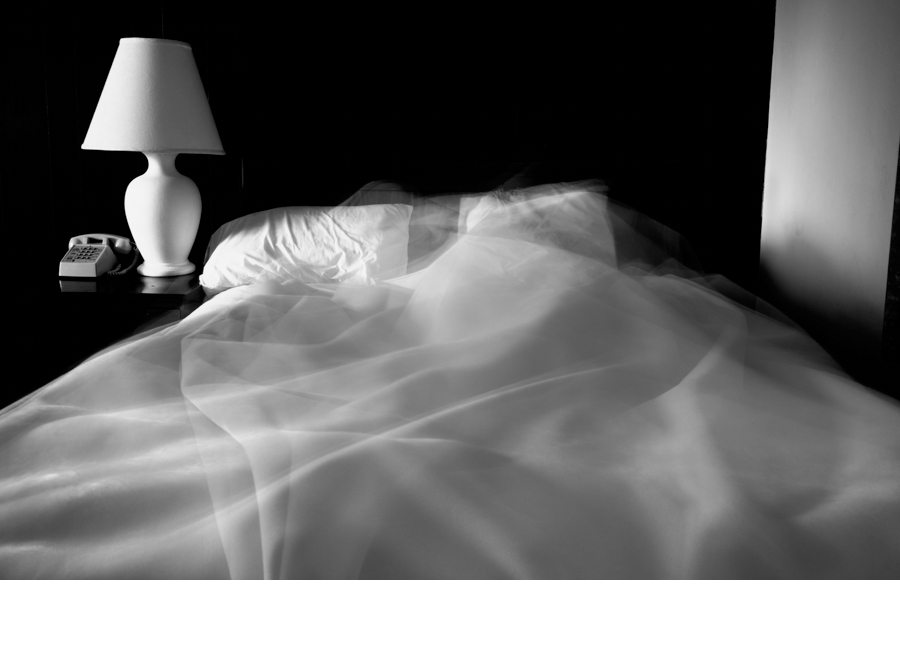
A chronopan is an image that contains both duration (chrono) and space (pan). Duration is enfolded into one image.
In this example, this detail from a larger image shows the change in light during a 10–hour exposure.
The starting point of the chronopan project is Bergson’s notion of durée. Durée describes our internal, ongoing present. This is inseparable from our memory of the past and our anticipation of the future.
imagetime is a series of books that I am developing for Wallflower Press.
imagetime is motivated by a recognition that the readerships of photography and the moving image are converging in an interesting place. As the two subjects converge the possibilities for interesting inter–disciplinary critiques emerge, with new critical tools being applied to new kinds of texts and new uses found for existing technologies. What defines and enriches the explorer in this new territory is a fascination with images and with time, thus imagetime.
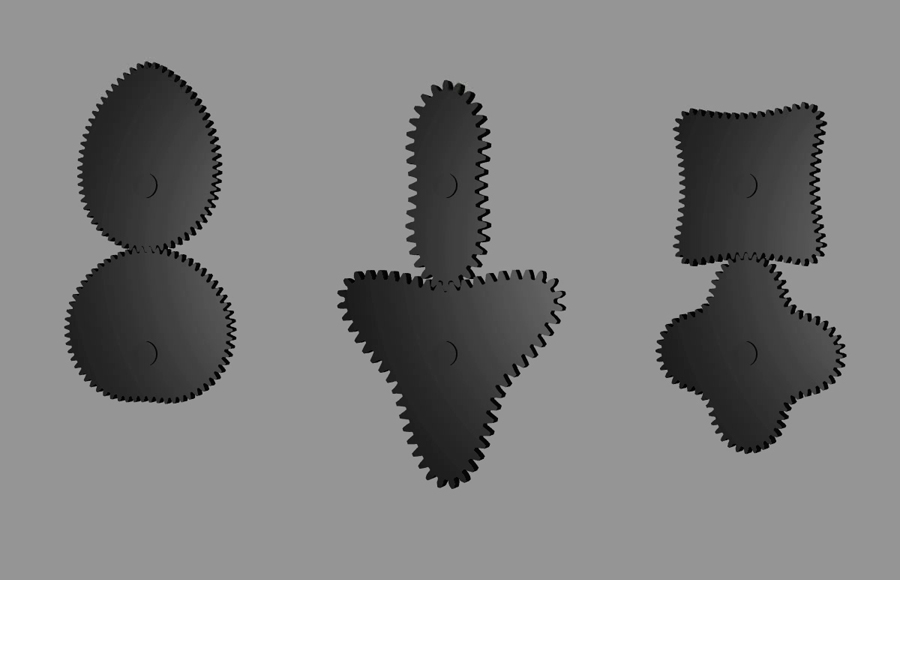
Travelling curves are pairs of non–circular gears. Non–circular gears were last made at the end of the nineteenth century and the techniques that were used then have been mostly lost to us. We have devised new techniques for making them and the results are surprising and beautiful.
Gear design by Igor Zarebski.
The Travelling curves project is available here.
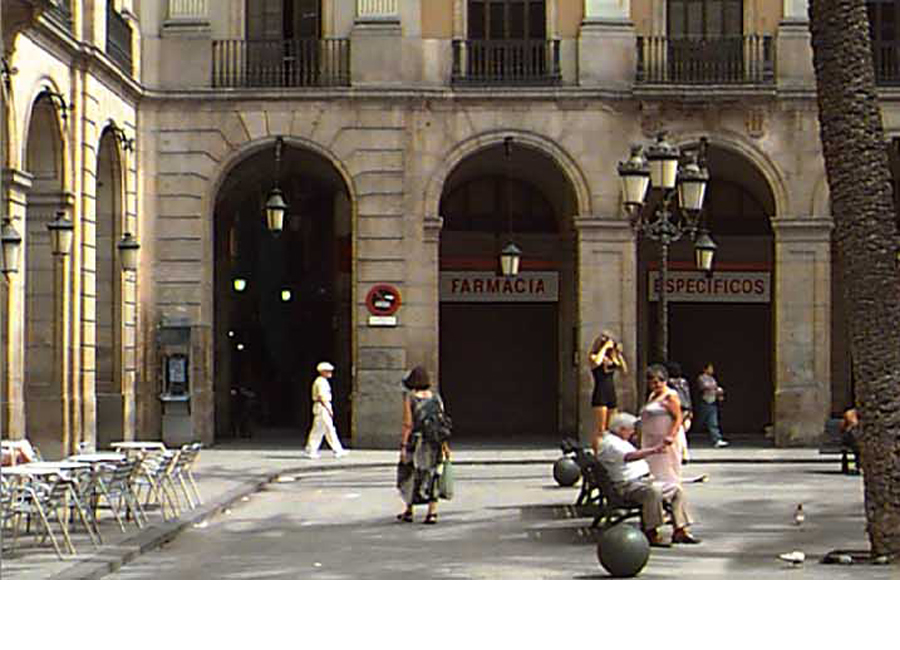
Supermoment is based on observations of rooms after you think that the lights have been turned off. After your eyes have adjusted, you will see that all over a typical room are small light–emitting diodes (LEDs) and specular reflections from these small lights. These LEDs are in remote–controls, plugs, computers, printers, iPods, speakers, smoke alarms, battery chargers, everywhere. When these lights are recorded and then viewed from a sequence of different angles you can see that from particular viewpoints some constellations of LEDs reveal hidden and accidental drawings.
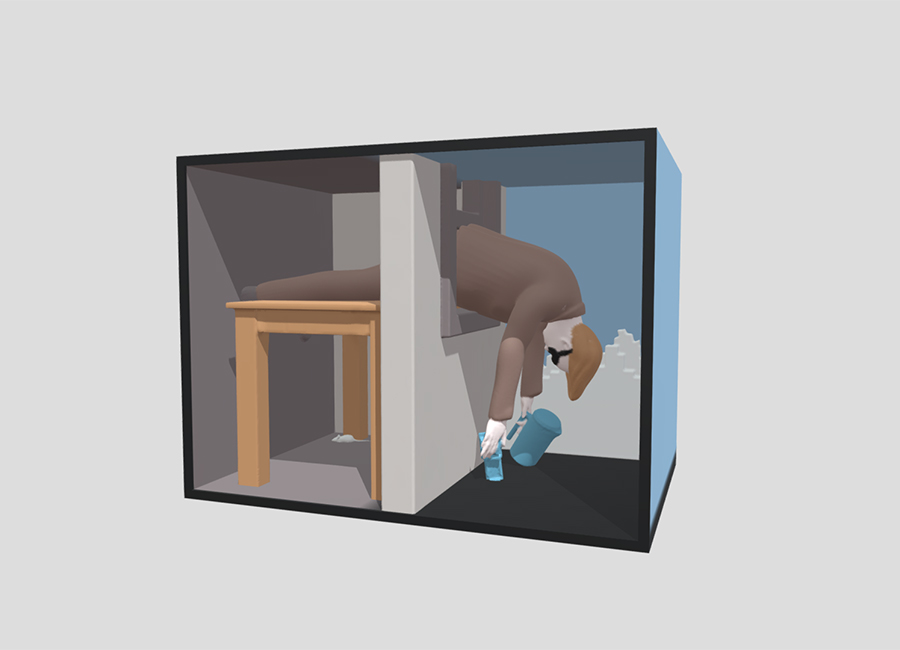
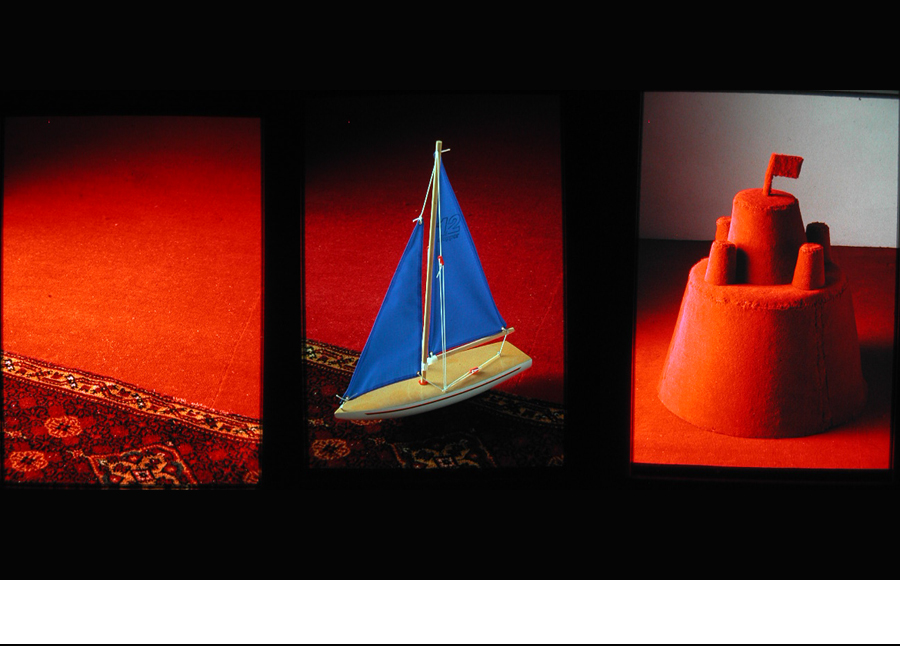
Carpet Castle is part of a series of works that result from an exploration of memory and play. The making of each piece in the series starts with two simple propositions.
Carpet can spatially stand in for Sand; when playing with a Boat.
If Carpet can stand in for Sand, then Carpet can be used for making a Castle.
If the first proposition is child’s play the second proposition is the play of adults as we play with the rules of play and dream of new aesthetic objects.
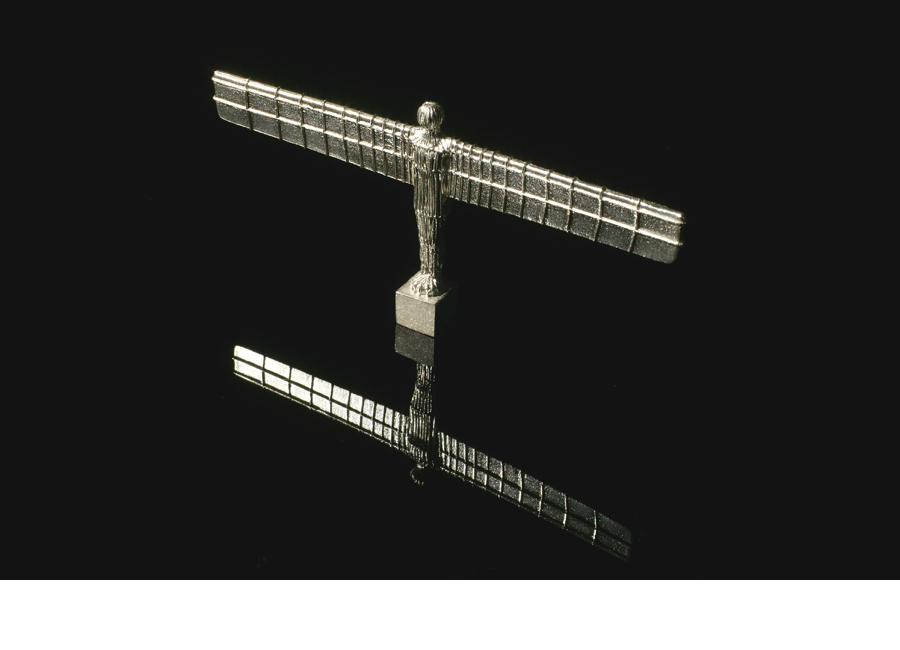
A Minumental® is a monumental contemporary sculpture made to a minumental scale.
Minumental and monumental refer to each other by being in opposition. Minumental is to monumental as white is to black. Minumental sculptures provide a critique of monumental sculptures by revealing how monumental sculptures rely on massive size and weight.
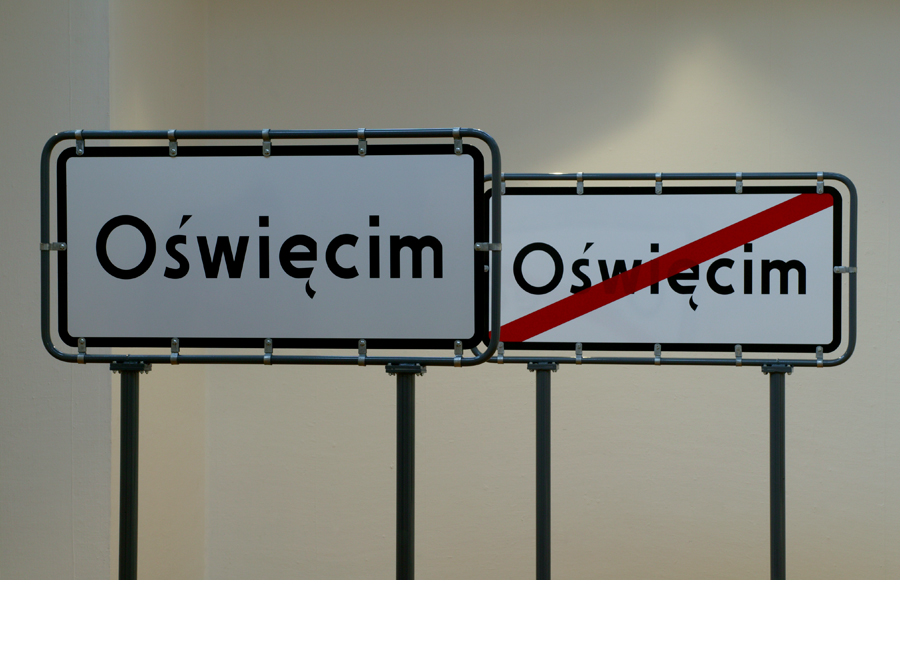
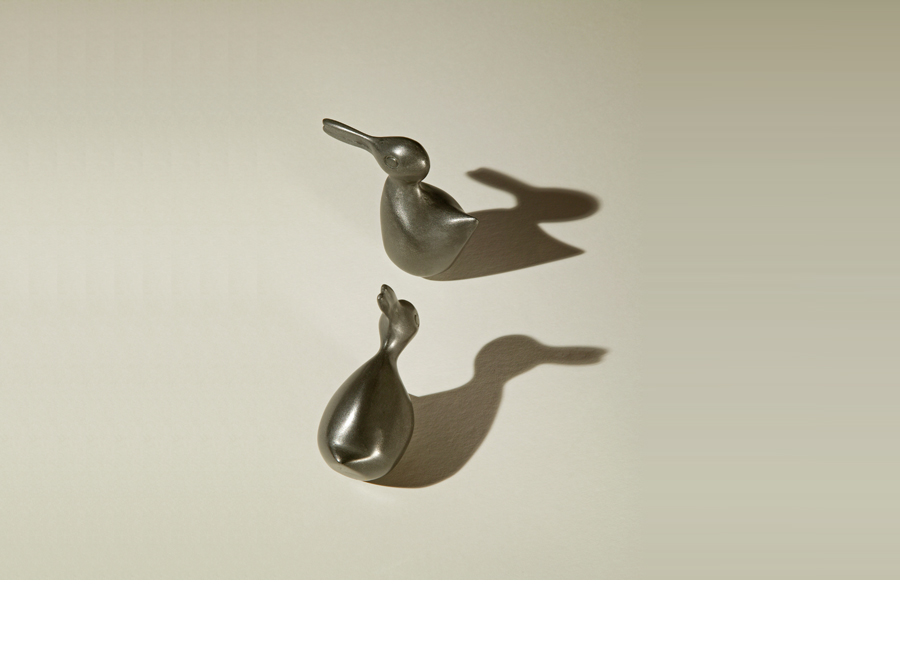
During my ongoing research into the use of ambiguity in art I thought it would be entertaining to make the rabbitduck (or duckrabbit) as a real object. According to Wollheim you can see the rabbit or the duck, but not both at the same time. Turn your head from side to side to decide for yourself.
Better images are available at http://www.rabbitduck.com/images/
Chronocyclography: 2008
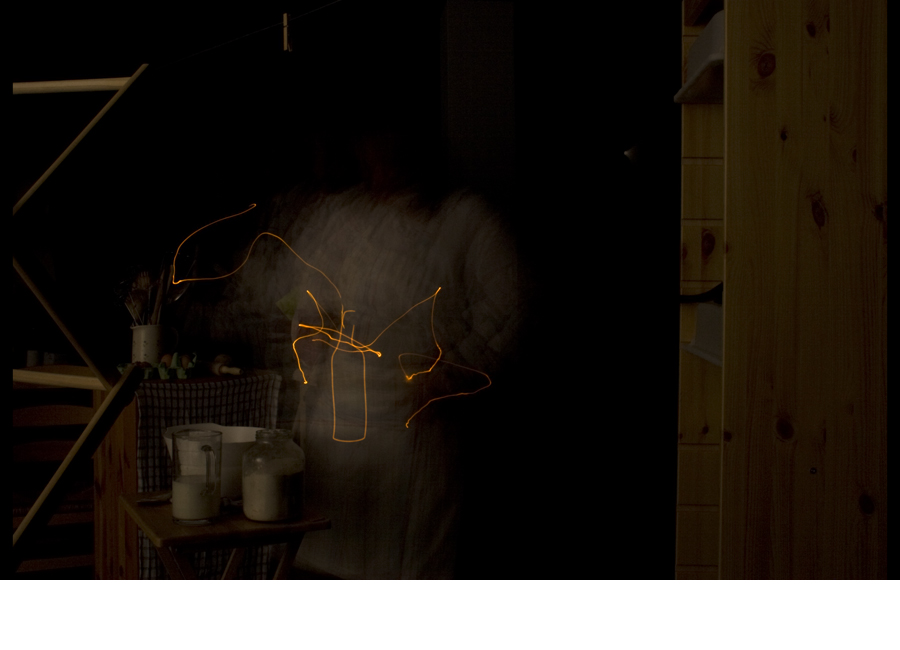
Photographs made from a trace of a person's movements when they are performing everyday tasks. But there is a twist. I have discovered that there are drawings hidden in these traces. These secret drawings are only revealed when recorded by a Chronocyclograph.
The research into Chronocyclography was supported by the Arts and Humanities Research Council.
The word Trackorama® is derived from the word panorama. A panorama is a print made from a camera that “pans” in an arc around a fixed point in the centre of the scene. A Trackorama is a print made from a camera that “tracks” along a line that can travel from one scene to another. This long tracking shot is laid out as a print on a wall. Each track is about 20 cm high and about 3000 cm long.